

Let’s Explore Tiong Bahru Food Centre Singapore

Singapore's most beloved hawker centre sits quietly in the heart of the historic Tiong Bahru neighbourhood, where Art Deco architecture meets authentic local flavours. Whether you're seeking traditional breakfast dishes like chwee kueh or exploring innovative takes on classic street food, this two-story culinary haven offers one of Singapore's most genuine foodie experiences.
For visitors eager to dive deeper into Singapore's authentic flavours, consider joining a street food and night tour to experience the local dining culture alongside expert guides who can help navigate the bustling hawker scene.
History and Heritage
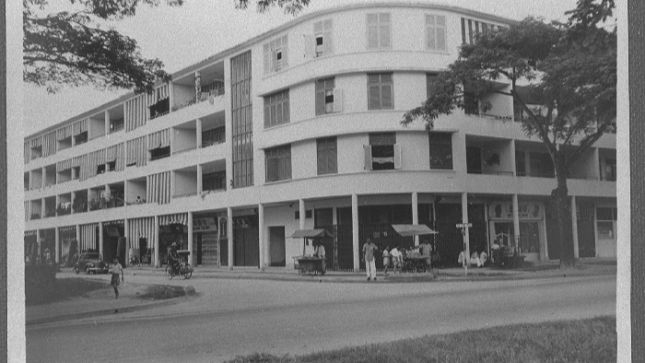
The story of Tiong Bahru Food Centre begins in 1951 when it first opened as Seng Poh Road Market. Built to house the growing number of street hawkers serving the Tiong Bahru community, this wooden structure with zinc roofing became the foundation of what would evolve into one of Singapore's most celebrated hawker centres.
The area itself carries deep historical significance. Before the 1920s, Tiong Bahru was largely mangrove swamps and burial grounds - the name literally translates to "new cemetery" from Hokkien and Malay. The Singapore Improvement Trust transformed this swampy land into Singapore's first public housing estate during the 1930s, creating the charming Art Deco neighbourhood that surrounds the food centre today.
After serving the community for over half a century, the original market was demolished in 2004 and rebuilt as the modern two-storey complex we see today, reopening in 2006. The wet market occupies the ground floor, while the hawker stalls fill the second level, creating a comprehensive food destination that honours both tradition and progress.
Must-Try Dishes and Famous Stalls
1. Jian Bo Shui Kueh (#02-05)

The undisputed star of Tiong Bahru Food Centre, this stall serves what locals consider the most authentic chwee kueh in Singapore. These silky Teochew rice cakes are topped with fragrant chye poh (preserved radish) and sesame seeds, delivering addictive umami flavours that have made this humble breakfast dish legendary. Expect long queues, especially on weekends.
2. Loo's Hainanese Curry Rice (#02-67/68)

When discussing Singapore's best Hainanese curry rice, it's typically a battle between Loo's at Tiong Bahru and competitors elsewhere in the city. This family-run stall has perfected their recipe over generations, serving curry-soaked rice with an array of braised dishes and vegetables that epitomise comfort food.
3. Min Nan Pork Ribs Prawn Noodle (#02-31)

Operating since 1960, this is considered the grandfather of prawn noodles at Tiong Bahru. Their signature bowls feature fresh prawns, tender pork ribs, and fragrant broth, with the unusual addition of fish balls that sets them apart from other prawn noodle stalls.
4. Koh Brother Pig's Organ Soup (#02-29)

This Michelin Bib Gourmand stall specialises in Teochew-style clear soup made from pig bones, offal, and preserved mustard vegetables. The natural sweetness from the bone broth, enhanced by the slight saltiness from vegetables, creates a deeply comforting bowl that's worth trying even for those hesitant about organ meat.
5. Hong Heng Fried Sotong Prawn Mee
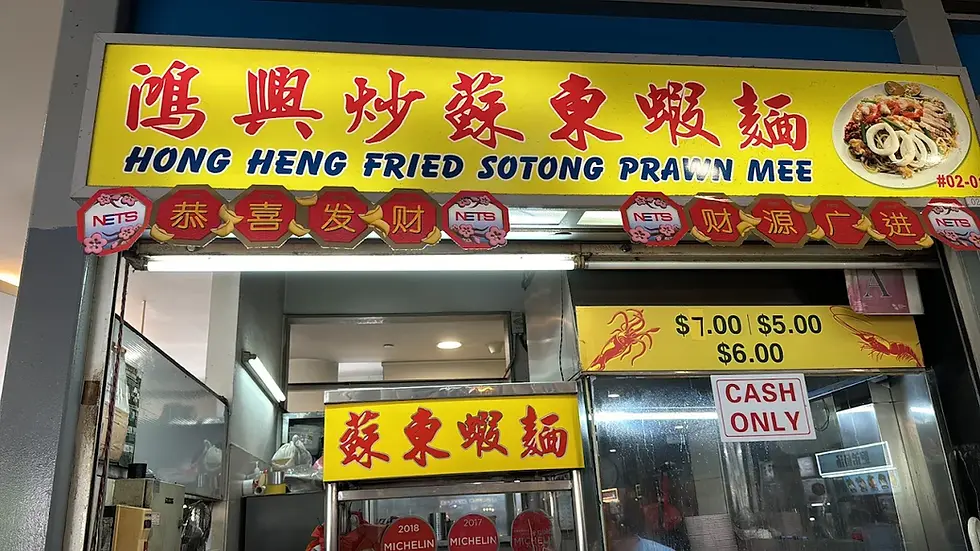
Another Michelin Bib Gourmand recipient, this third-generation hawker stall serves exceptional Hokkien mee featuring yellow noodles, thick bee hoon, squid, and prawns stir-fried until slightly charred. The smoky wok flavour makes this dish a standout among Singapore's many Hokkien mee options.
6. Skirt & Dirt (#02-66)

Breaking traditional hawker boundaries, this Western-style stall gained attention as possibly Singapore's first hawker stall to serve a Cheese Skirt Burger. Their 100% beef rump patties are complemented by seared cheese with a crispy, cracker-like texture, demonstrating how hawker culture continues to evolve.
7. Tow Kwar Pop (#02-06)
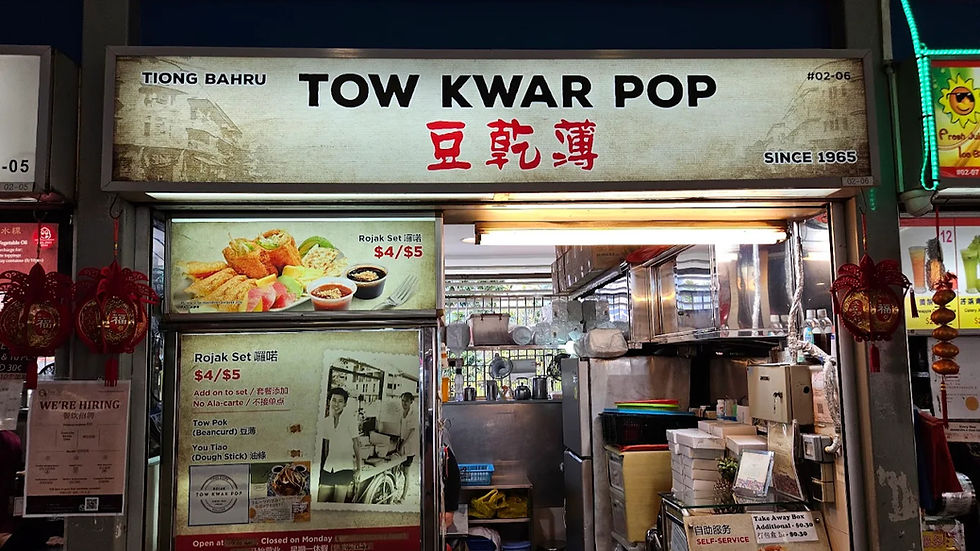
This stall preserves a disappearing hawker tradition by serving tow kwar pop - grilled bean curd puffs filled with cucumber and bean sprouts, served with turnip and pineapple slices. It's one of the few places in Singapore where you can still experience this old-school street food.
Dining Tips for International Visitors

Understanding hawker centre etiquette enhances your dining experience significantly. The "chope" system - using tissue packets to reserve seats - is essential knowledge for any visitor. Place your tissues or other stuff on your desired seat before ordering, as finding seating during peak hours can be challenging.
Most stalls accept cash only, so come prepared with small denominations as dishes typically cost between S$3-8. Table sharing with strangers is common and acceptable, reflecting Singapore's communal dining.
For the best experience, visit outside peak lunch hours (12-2pm) to avoid crowds and ensure your preferred dishes haven't sold out. Many stalls open as early as 7am and close by mid-afternoon, making this primarily a breakfast and lunch destination.
Location and Accessibility
Tiong Bahru Market and Food Centre is located at 30 Seng Poh Road, just a short walk from Tiong Bahru MRT station. The central location makes it easily accessible via public transport, with buses and the Mass Rapid Transit system providing convenient connections throughout Singapore.
The food centre operates daily, though individual stall hours vary. Most stalls are open from morning until late afternoon, with some closing as early as 2:30pm. The building includes a carpark on the upper level, though finding parking during peak hours can be challenging.
Beyond the Food Centre

The Tiong Bahru neighbourhood itself deserves exploration, offering street art installations, boutique cafes, and well-preserved Art Deco architecture. The area has transformed from Singapore's first public housing estate into one of its hippest neighbourhoods, blending heritage charm with modern creativity.
Walking through the neighbourhood reveals murals by local artist Yip Yew Chong, depicting scenes from Singapore's past and the evolution of HDB estate life. These artistic installations provide context for understanding how food centres like Tiong Bahru Market have evolved alongside Singapore's urban development.
For those seeking a comprehensive introduction to Singapore's diverse food culture, a guided street food and night tour offers the perfect opportunity to experience multiple hawker centres while learning about the cultural significance behind each dish and tradition.
Planning Visit Tiong Bahru Food Centre
Tiong Bahru Food Centre represents more than just a meal - it's a window into Singapore's multicultural heritage and the evolution of hawker culture from street vendors to UNESCO-recognised tradition. The combination of Michelin-recognised stalls, heritage recipes passed down through generations, and the occasional innovative newcomer creates a dining experience that captures Singapore's culinary soul.
Whether you're sampling your first bowl of laksa or seeking the perfect plate of char kway teow, Tiong Bahru Food Centre delivers authentic flavours in an atmosphere that locals have cherished for decades. The long queues at popular stalls serve as both testament to quality and invitation to experience what makes Singapore's hawker culture truly special.
To fully appreciate the depth of Singapore's food scene and understand the cultural stories behind each dish, consider exploring with experienced guides who can provide insights that transform a simple meal into a cultural journey through Singapore's rich street food and night tour traditions.


