

Singapore Desserts: What to Try & Where to Find Them

Updated: Oct 21
If you only have room for one Singapore dessert today, choose by what sounds good right now: chendol for shaved ice and coconut milk, tang yuan for a warm sweet soup, or a small piece of kueh with coffee. There isn't one dessert everyone has to like.
This guide explains local favourites, then groups useful places to try them by area. You can fit a sweet stop into a day in Chinatown, Bugis, Little India or around Golden Mile without spending the afternoon travelling between distant stalls.
Start with the texture you like
In the mood for… | Try these |
Something cold | Chendol, ice kachang or grass jelly. |
A warm bowl | Tang yuan, tau suan, orh nee or pulut hitam. |
A small snack | Ondeh ondeh, ang ku kueh, tutu kueh or a slice of pandan cake. |
Something very sweet | A small portion of jalebi or gulab jamun. |
Coffee and a bite | Kaya toast or kueh, with a kopi order that suits your sugar preference. |
Some of these foods are shared across Southeast Asia or come from the communities that have made Singapore home. They're part of eating here without needing to be inventions exclusive to the country.
Cold desserts for a hot afternoon
Chendol
Chendol brings together green jelly strands, coconut milk, palm-sugar syrup and ice, often with red beans. The contrast between the cold ice and rich syrup is a big part of the dish.
Old Amoy Chendol at Chinatown Complex is one option for a sweet stop after lunch. Different stalls use different toppings, so a durian or extra-large version isn't the only way to order it.

Ice kachang
Expect a mound of shaved ice with syrup and ingredients such as red beans, sweet corn, jelly or attap seeds. What sits under the ice can be as interesting as the brightly coloured top.
Look at the dessert board before ordering: an elaborate bowl with several extras can be much larger than a simple portion. It's easy to share one after a full hawker meal.
Grass jelly
Grass jelly, or chin chow, has a dark colour and a soft, slippery texture. It may be served as a drink or as a dessert bowl with ice, syrup and toppings.
Zhao An Granny Grass Jelly at Golden Mile is one place to start. If you prefer a lighter dessert after something rich, choose a simple bowl before adding every topping on the menu.

Cheng tng
Cheng tng is a clear sweet soup with ingredients that can include dried longan, white fungus, barley and other additions. Stalls may offer it hot or cold.
It tastes quite different from a coconut-milk dessert. Check the menu if there is a particular ingredient you don't enjoy; recipes vary, so one stall's bowl won't necessarily match another's.
An ice-cream sandwich
The familiar street-cart version places a slice of ice cream between wafers or in soft bread. It's a small, uncomplicated snack rather than a café dessert with several components.
Carts can move and aren't guaranteed to be in the same spot every day. If you find one along your sightseeing route, check the flavours and price at the cart and eat it before the heat wins.
Durian pengat
Durian pengat is a rich durian dessert, often made with coconut milk and served as a creamy bowl. Choose it because you want durian, not because you expect the flavour to disappear under the other ingredients.
Availability varies at Peranakan restaurants and dessert shops. A durian mousse, durian sago and durian pengat aren't necessarily the same recipe, so read the menu description.
Warm bowls worth leaving room for
Orh nee
Orh nee is a smooth yam-paste dessert associated with Teochew cooking. Pumpkin, ginkgo nuts, coconut milk or other toppings may be added, depending on the preparation.
It is richer than its small serving can suggest. Ask about the ingredients if you need a vegetarian version, since some traditional preparations use lard. Dessert shops around Bugis, including Yat Ka Yan, are options to check for the dish.

Tau suan
Tau suan combines split mung beans with a thick sweet liquid, usually with pieces of fried dough on top. It gives you a mix of soft beans and crisp, absorbent dough rather than the texture of a porridge.
This is often found at traditional hot-dessert counters. Order it while you're actually ready to eat, since the dough softens as it sits in the bowl.

Tang yuan
These glutinous rice balls have a chewy outer layer and fillings such as sesame or peanut. A sweet soup surrounds them; ginger and peanut bases make quite different bowls.
75 Ah Balling at Golden Mile offers a useful starting point. Let a freshly served rice ball cool a little and bite carefully: the filling can stay hot after the outside feels manageable.

Pulut hitam
Black glutinous rice cooks into a thick, dark dessert, often with coconut milk or cream added. The grains retain some texture, so it feels different from a completely smooth paste.
Some dessert shops pair it with ice cream. Ah Chew lists a black glutinous rice dessert with vanilla ice cream, for example. Decide whether you want that combination or a more traditional plain bowl.
Bubur cha cha
Yam, sweet potato and other pieces sit in a coconut-milk base, with tapioca or sago sometimes included. It can be served warm or cold, depending on the stall.
Look for it at traditional dessert counters or Peranakan restaurants. It's a substantial bowl, so you may prefer sharing if you've just eaten a large meal.
Small sweets, kueh and bakery stops
Ondeh ondeh
These small, often green balls have a chewy skin, coconut on the outside and palm-sugar filling. Bite gently or eat one whole if it is comfortably small; the liquid centre can spill.
A kueh shop is a better place to look than a dessert restaurant that only serves bowls. Buy a small mixed selection if you're still working out which textures you enjoy.
Ang ku kueh
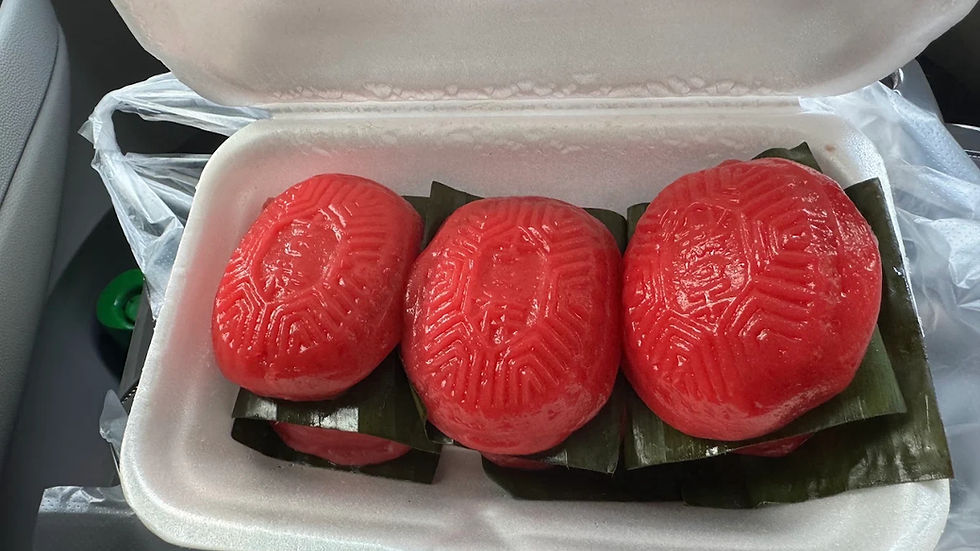
Ang ku kueh has a soft, chewy skin with a moulded pattern and a filling such as peanut or mung bean. It is often red, although shops also sell other colours and flavours.
Ji Xiang at Everton Park is one place to try it. Tell the shop which filling you want rather than relying on the colour alone.
Tutu kueh
Tutu kueh is a small steamed rice-flour cake, often filled with peanut or coconut. Its soft, crumbly texture is quite different from the chewy skin of ang ku kueh.
Eat it warm when possible. Check whether a stall is preparing a fresh batch before planning the rest of your walk around a takeaway order.

Muah chee
Muah chee consists of soft glutinous-rice pieces coated with ground peanuts and sugar. It is usually served in a small tray with picks rather than as a dessert soup.
It's a useful snack to share at a hawker centre or temporary market when you find it. Peanut is central to the familiar version, so it isn't a casual choice for someone avoiding nuts.
Kueh salat
Look for two layers: glutinous rice below and a soft pandan custard above. The rice and custard give each bite a mix of textures, and one piece goes well with tea or coffee.
Kueh shops and bakeries are places to check. Ask how soon it should be eaten if you're buying it before a long day outdoors.
Pandan chiffon cake
Pandan chiffon is a light cake with the fragrance of pandan and often coconut milk. A slice makes sense with coffee; a whole cake makes more sense when you have people to share it with.
Bengawan Solo sells pandan chiffon and has stores across Singapore. Use its current store directory to choose a convenient branch, and check whether an airport outlet is landside or inside the transit area.
Kaya toast
Toast with kaya, a coconut-and-egg jam, and butter works as a sweet snack as well as breakfast. A full set often includes soft-boiled eggs and coffee or tea, so it can be more of a meal than a small dessert.
Our kaya toast guide explains where to try it and how to order kopi. Skip the full set if you've already had lunch and only want a taste.
Gulab jamun and jalebi
These are two different Indian sweets worth comparing in small portions. Gulab jamun is a soft ball soaked in syrup; jalebi forms crisp loops that also take on syrup. Both can be very sweet.
Look around the sweet shops at Little India Arcade and ask what has been made that day. Milk, ghee and nuts can matter for dietary needs; being a sweet shop doesn't establish halal certification.
Tissue prata
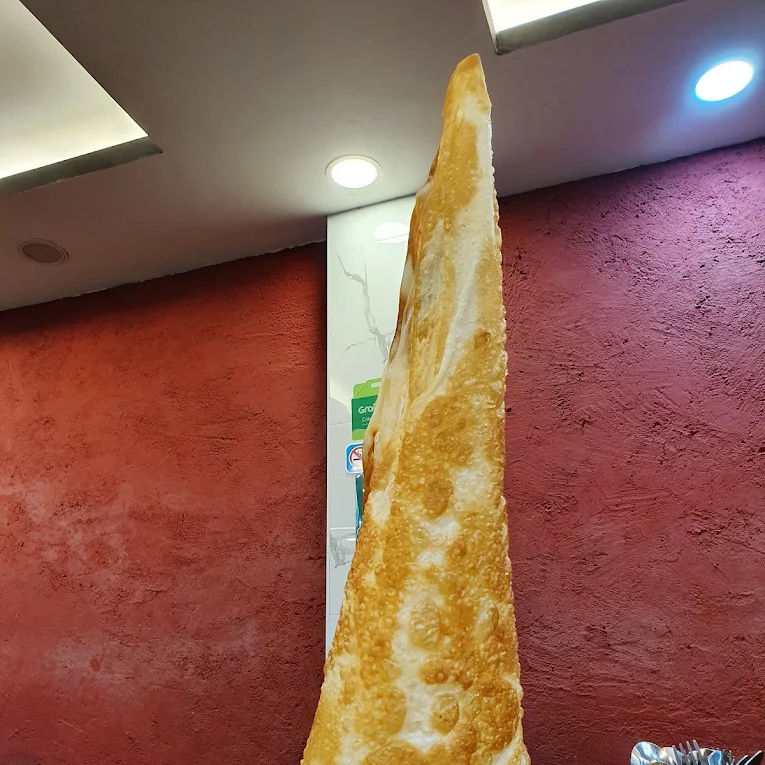
Tissue prata is stretched into a very thin, crisp form, often presented as a tall cone with sweet additions. It is more of a sit-down snack than something to tuck into a bag for later.
Check the menu at a prata restaurant and ask how large it is. If you've already eaten a main meal, one portion to share may be enough.
Where to try desserts without crossing the whole island
Chinatown and Everton Park
For chendol, Old Amoy is at Chinatown Complex, unit 02-008, 335 Smith Street. Combine it with lunch rather than making a separate journey just for a bowl. Our Chinatown Complex guide covers nearby food choices.
For ang ku kueh, Ji Xiang Confectionery at 1 Everton Park, unit 01-33, is a separate stop towards the Outram side. Check today's selection before deciding how much to take away.
Bugis and Liang Seah Street
Ah Chew's Bugis outlet is at 1 Liang Seah Street, unit 01-10/11. Its menu covers several hot and cold dessert categories, making it useful when people want different kinds of sweets. Check the official menu and outlet information for the current selection.
For another option, Yat Ka Yan has a Fortune Centre location at 190 Middle Road, unit 02-08. Confirm the menu at the branch you choose rather than assuming all outlets have identical dishes.
Golden Mile Food Centre
At 505 Beach Road, Zhao An Granny Grass Jelly is at unit 01-58 and 75 Ah Balling is at unit 01-75. Choose one for a short stop, or share a bowl from each if you want to compare cold jelly with warm tang yuan.
Our Golden Mile food guide helps you add a savoury meal without needing another journey.
Little India
Little India Arcade at 48 Serangoon Road is a useful area to browse sweets, including at Moghul Sweet Shop. Ask about the selection, price by piece or weight, and ingredients before buying a large box.
Use our Little India walking guide if you'd like to combine the stop with shops, streets and heritage landmarks.
How much should you budget?
For planning, allow roughly S$3–6 for a simple hawker dessert bowl and more for a café portion, premium topping or restaurant dessert. A small kueh purchase and a whole cake are different kinds of orders. These are allowances, not a promise that every stall fits the same range.
Check the displayed menu. Delivery-app prices may differ from eating at the counter, and an old blog price shouldn't be the deciding reason for travelling across Singapore.
Want a food walk around the sweet stops?
Our Michelin & Local Hawker Food Tour explores Chinatown through a 3.5-hour route with 9–10 food and drink tastings. It is a way to understand hawker culture and try a varied meal with a guide, rather than a dedicated dessert tour.
If Indian sweets and the surrounding neighbourhood interest you more, consider the Little India Free Walking Tour, a tip-based 2.5-hour heritage walk with a local snack tasting. Check the itinerary; a specific sweet isn't guaranteed simply because it appears in this guide.
Questions before ordering
Are traditional Singapore desserts halal?
It depends on the business and preparation. Check current certification at the exact outlet if you need it. Coconut, rice or the absence of obvious meat doesn't establish a dessert's halal status.
Are they vegetarian or vegan?
Some may be, but egg, dairy, lard or gelatin can appear in recipes. Tell the operator which ingredients you avoid. Coconut milk alone doesn't make the entire dish vegan.
Which dessert is easiest for a first visit?
Try chendol if you enjoy coconut and shaved ice, tang yuan if you like chewy textures, or pandan chiffon if you'd prefer cake. Order something you expect to enjoy rather than something described as compulsory.
Can you take kueh home on a flight?
Check the product's storage life, transport requirements and your destination's food-import rules. Fresh kueh and cream-based desserts need different handling from packaged biscuits; don't assume every sweet is a convenient souvenir.
Checked on 20 October 2026 using current operator information from Ah Chew, Ji Xiang Everton, 75 Ah Balling and Bengawan Solo, alongside local food reporting. Shop menus and operating days can change.


